
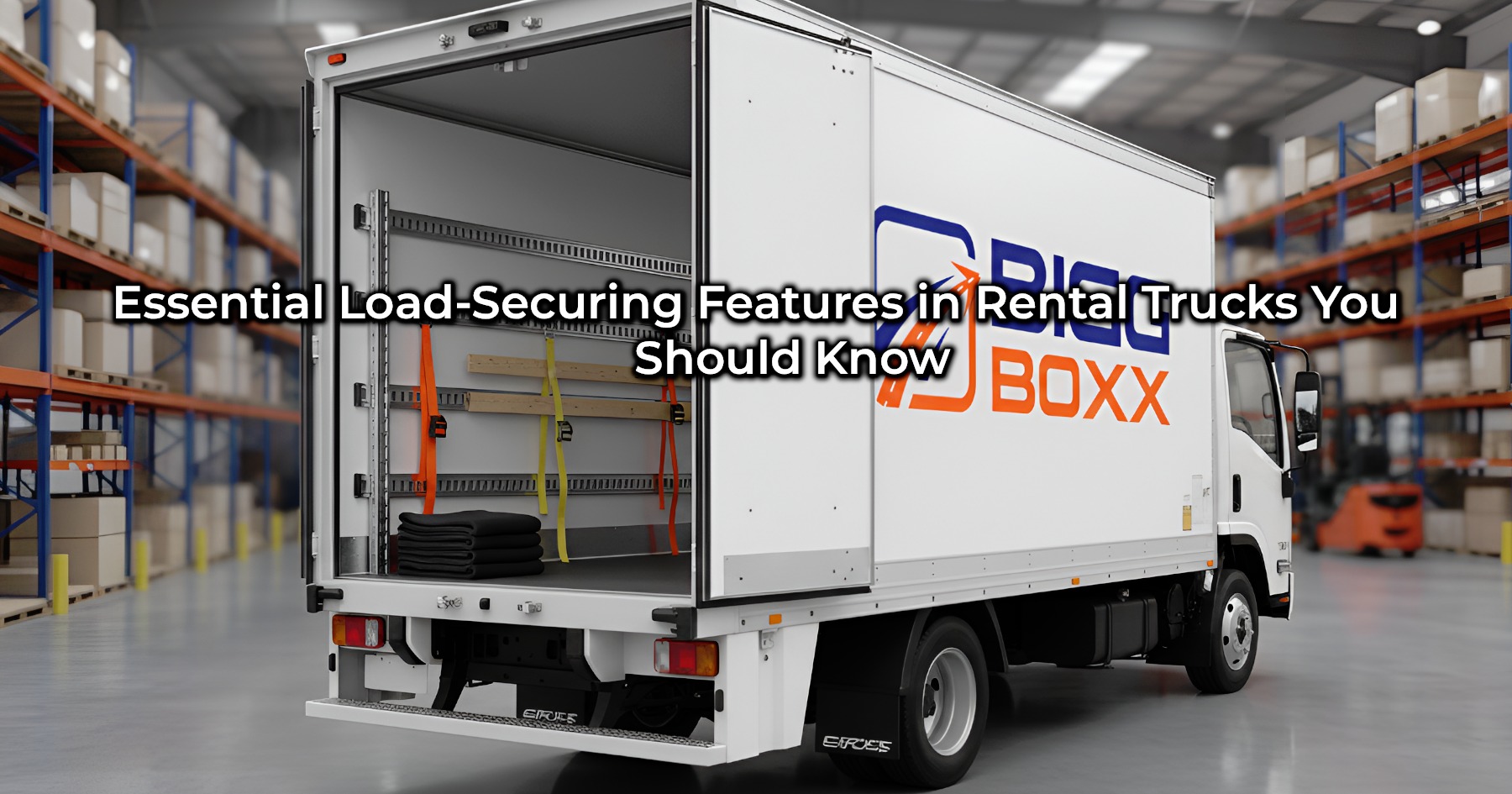
In today’s business environment, proper load securing isn’t just a safety consideration—it’s a legal requirement and a critical component of operational success. At Bigg Boxx Rentals, we’ve helped hundreds of businesses across Victoria understand and implement effective load-securing practices that protect their cargo, their vehicles, and their bottom line. Whether you’re a tradesperson navigating Melbourne’s streets or a logistics company managing deliveries across regional Victoria, having the right load-securing features in your rental truck can prevent costly accidents and ensure regulatory compliance. With our strategic location in Epping and extensive service area covering Melbourne, Geelong, Ballarat, and surrounding regions, we’ve become the trusted transportation partner for businesses who understand that cargo security directly impacts operational success. Discover our full vehicle fleet options to see how load-securing features can enhance your business operations.
The Critical Importance of Proper Load Securing
Proper load securing is far more than just strapping down your cargo—it’s a complex safety system that prevents accidents, protects your investment, and ensures regulatory compliance. According to the National Transport Insurance, improperly secured loads account for approximately 25% of all truck-related accidents in Australia, with an average cost of $28,000 per incident.
The Legal Imperatives
Australian road transport legislation is clear and uncompromising regarding load security. The Australian Road Rules (Schedule 1, Clause 5) states: “A driver must not drive a vehicle that is carrying a load unless the load is secured so that it is prevented from falling or being dislodged.”
This seemingly simple requirement has significant implications:
- Heavy fines: Up to $1,500 for individuals and $7,500 for corporations
- Demerit points: Up to 5 points for load security violations
- Insurance implications: Many policies become void if loads aren’t properly secured
- Liability: Complete responsibility for accidents caused by unsecured loads
One electrical contractor in Ballarat learned this the hard way when an unsecured ladder fell from their truck, causing a multi-vehicle accident. The resulting fines and insurance penalties cost them over $22,000—more than the annual cost of proper load-securing equipment.
The Safety Implications
Beyond legal compliance, proper load securing directly impacts safety in several critical ways:
Driver Safety
- Unsecured cargo shifts vehicle center of gravity
- Sudden load movement affects braking distance and handling
- Flying debris from unsecured loads endangers the driver
- Cargo collapse can block driver visibility
Public Safety
- Falling objects create immediate hazards for other road users
- Unsecured loads can cause multi-vehicle accidents
- Hazardous materials pose environmental and health risks
- Even small objects become dangerous projectiles at highway speeds
According to the Australian Automobile Association, a 1kg object traveling at 60km/h has the impact force of 30kg—enough to cause serious injury or death if it becomes dislodged during transit.
Understanding Load-Securing Regulations in Australia
Australia’s load-securing regulations are among the most comprehensive in the world. Understanding these regulations is the first step toward selecting the right rental truck with appropriate load-securing features.
The Chain of Responsibility Framework
Australia operates under a “Chain of Responsibility” framework that distributes legal responsibility for load security among multiple parties:
- Prime contractors: Responsible for overall transport safety
- Drivers: Responsible for securing loads and vehicle maintenance
- Consignors: Responsible for providing accurate load information
- Consignees: Responsible for safe unloading procedures
- Schedulers: Responsible for realistic delivery timelines
This framework means that even if you’re renting a truck, you share responsibility for ensuring proper load securing.
Australian Standards for Load Security
The primary standard governing load security in Australia is AS 2193-2002 (R2016) “Vehicle loading – Securing of loads to road vehicles.” This standard specifies:
- Minimum securing forces: 0.8g forward, 0.5g backward, 0.5g sideways
- Load restraint systems: Must withstand these forces without failure
- Securing point strength: Minimum 2,250kg for most commercial vehicles
- Tie-down angle requirements: Optimal angles for maximum effectiveness
One common misconception is that the number of tie-down points alone determines safety—the quality and placement of these points are equally important.
Industry-Specific Requirements
Different industries face unique load-securing challenges with specific regulatory requirements:
Construction and Trades
- AS/NZS 4495:2018 for securing building materials
- Specific requirements for ladders, scaffolding, and sheet materials
- Regulations for securing hazardous materials on construction sites
Our scissor lift hire for construction projects service complements proper load-securing practices by ensuring safe handling of construction materials during loading and unloading.
Food and Perishable Goods
- Food Safety Standards 3.2.2 for temperature-controlled transport
- Specific requirements for securing refrigeration units
- Regulations for preventing cross-contamination during transit
For businesses requiring temperature control alongside proper load securing, our refrigerated van hire inspection process ensures that all vehicles meet the highest standards for both cargo security and temperature maintenance.
Hazardous Materials
- Australian Dangerous Goods Code (ADG7)
- Specific securing requirements for different hazard classes
- Emergency response planning requirements
Essential Tie-Down Points and Anchor Systems
The foundation of any effective load-securing system is the quality and placement of tie-down points. Understanding what to look for in rental trucks can prevent costly accidents and ensure regulatory compliance.
Types of Tie-Down Points
Fixed Anchor Points
These are permanently installed points integrated into the vehicle’s structure:
- D-rings: Simple, robust anchor points
- E-tracks: Slotted channels allowing flexible positioning
- Pintle hooks: Heavy-duty anchor points for extreme loads
The most effective systems combine multiple types of anchor points to accommodate various load configurations.
Removable Tie-Down Systems
- Load bars: Vertical bars that create anchor points along the cargo area
- Load dividers: Adjustable partitions that create secure compartments
- Cargo nets: Flexible securing options for irregular loads
For businesses requiring flexible load configurations, our 2-ton vans feature modular anchor systems that adapt to changing cargo requirements.
Quality Indicators for Tie-Down Points
When evaluating rental trucks, look for these quality indicators:
Strength Ratings
- Minimum 2,250kg per anchor point for most commercial vehicles
- Clear labeling of maximum load capacity
- Certification from recognized testing organizations
Placement and Density
- Even distribution throughout the cargo area
- Appropriate spacing for the vehicle size (typically 500-800mm apart)
- Strategic placement near walls and floor for optimal securing angles
Construction Quality
- Welded rather than bolted installations
- Reinforced mounting points
- Corrosion-resistant materials
- Smooth edges to prevent strap damage
One Melbourne-based furniture delivery company reported a 62% reduction in cargo damage after switching to trucks with properly rated and placed tie-down points—directly improving their customer satisfaction scores and reducing replacement costs.
Ratchet Straps and Tie-Down Systems: More Than Just Straps
Ratchet straps represent one of the most critical load-securing tools, but not all systems are created equal. Understanding the features that make a ratchet strap system effective can significantly improve your cargo security.
Key Components of Effective Ratchet Straps
Webbing Material
- Polyester: Most common, balances strength and flexibility
- Nylon: Higher elasticity, better for dynamic loads
- Width: Wider straps distribute pressure more effectively
Ratchet Mechanism
- Gear ratio: Higher ratios provide greater tensioning power
- Handle design: Ergonomic handles reduce operator fatigue
- Release mechanism: Smooth operation prevents accidental release
End Fittings
- S-hooks: Versatile, but can damage straps if not properly designed
- Flat hooks: Less damaging to webbing, better for E-tracks
- Lashing eyes: For permanent attachment to cargo
Advanced Tie-Down Systems
Integrated Tension Monitoring
Some premium rental trucks feature tension monitoring systems that:
- Measure and display strap tension
- Alert when tension falls below safe levels
- Record tension data for compliance purposes
Self-Tensioning Systems
These innovative systems automatically maintain optimal tension as cargo shifts during transit:
- Compensate for load settling
- Adjust for temperature-related strap contraction
- Maintain consistent securing force throughout the journey
For businesses with high-value cargo, our 4.5-ton truck hire service includes advanced tie-down systems that provide superior cargo security for valuable shipments.
Common Ratchet Strap Mistakes
Even with quality equipment, improper use can compromise load security:
Incorrect Angle
- Straps should form a 30-45 degree angle with the cargo
- Angles greater than 45 degrees reduce securing effectiveness
- Angles less than 30 degrees increase risk of strap failure
Over-Tightening
- Excessive tension damages both straps and cargo
- Can cause cargo deformation or structural damage
- Increases risk of strap failure during transit
Improper Routing
- Straps should follow the most direct path between anchor points
- Avoid sharp edges that can cut or fray straps
- Never route straps over cargo that could shift
Load Bars and Dividers: Creating Secure Cargo Compartments
Load bars and dividers transform a single cargo space into multiple secure compartments, significantly improving load stability and organization.
Types of Load Management Systems
Fixed Load Bars
- Permanently installed vertical bars
- Typically spaced 500-800mm apart
- Provide consistent anchor points throughout the cargo area
- Best for businesses with standardized cargo configurations
Adjustable Load Bars
- Height and position can be customized
- Often feature quick-release mechanisms
- Allow for flexible cargo configurations
- Ideal for businesses with varying cargo profiles
Load Dividers
- Full-height partitions that create separate cargo zones
- Often feature integrated tie-down points
- Can be customized for specific cargo types
- Essential for businesses transporting multiple cargo types
For tradespeople who need to organize tools and equipment, our roller door trucks feature integrated load management systems that maximize cargo security and organization.
Strategic Placement of Load Management Systems
The effectiveness of load bars and dividers depends on proper placement:
Front-to-Back Placement
- Critical for preventing forward movement during braking
- Should be positioned immediately behind the cab
- Must be securely anchored to the vehicle frame
- Height should match the tallest cargo items
Side-to-Side Placement
- Essential for preventing lateral movement on turns
- Should divide the cargo area into manageable sections
- Spacing should match common cargo dimensions
- Must accommodate forklift access when needed
Height Considerations
- Should be positioned to secure the top 25-30% of cargo height
- Too low reduces cargo capacity
- Too high fails to prevent toppling
- Adjustable systems provide optimal flexibility
One plumbing supply company in Geelong reported a 47% reduction in cargo damage after implementing properly placed load dividers in their rental trucks—allowing them to safely transport fragile piping and fixtures without damage.
Roller Door Security Features: Protecting Your Cargo at Rest
While often overlooked, roller door security features play a critical role in overall cargo security—both during transit and when parked.
Essential Roller Door Features
Locking Mechanisms
- Multi-point locking: Secures door at multiple points along the frame
- Anti-lift features: Prevents door from being forced upward
- Weather seals: Maintain security while protecting against elements
- Reinforced tracks: Resist forced entry attempts
Visibility Features
- Peepholes: Allow cargo inspection without opening doors
- Window panels: Provide visibility while maintaining security
- Camera systems: Integrated cameras for remote monitoring
Emergency Access
- Secondary release mechanisms: For emergency access
- Breakaway panels: For emergency egress
- Tamper alerts: Notify when unauthorized access is attempted
For businesses requiring secure transport of high-value goods, our tail-lift truck builder success story demonstrates how integrated security features can protect valuable construction equipment during transit.
Common Roller Door Security Failures
Understanding common failure points can help you select rental trucks with superior security:
Track Vulnerabilities
- Poorly reinforced tracks can be pried open
- Debris accumulation can compromise security
- Weather damage can weaken track integrity
Locking Mechanism Failures
- Single-point locks are easily defeated
- Weak locking points can be forced
- Poorly maintained mechanisms fail unexpectedly
Weather Seal Degradation
- UV damage weakens seals over time
- Extreme temperatures affect seal integrity
- Improper installation creates security gaps
A Melbourne-based electronics distributor reported a 33% reduction in cargo theft after switching to rental trucks with multi-point roller door locking systems—directly improving their bottom line and customer satisfaction.
Tailgate and Tail Lift Safety Mechanisms
For businesses that frequently load and unload at the rear of their vehicles, tailgate and tail lift safety mechanisms are essential components of overall load security.
Tailgate Safety Features
Hydraulic Support Systems
- Controlled descent: Prevents sudden tailgate drops
- Hold-open mechanisms: Keep tailgate secure during loading
- Emergency release: For manual operation if hydraulic system fails
Locking Mechanisms
- Primary locks: Secure tailgate during transit
- Secondary locks: Redundant security for heavy loads
- Load-sensing locks: Automatically engage when weight is detected
Load Retention Systems
- Load stops: Prevent cargo from shifting forward
- Integrated tie-down points: For securing cargo to the tailgate
- Non-slip surfaces: Prevent cargo from sliding during transit
Tail Lift Safety Features
Load Sensing Technology
- Weight sensors: Prevent overloading
- Balance detection: Alert to uneven load distribution
- Automatic leveling: Compensate for uneven ground
Emergency Systems
- Manual lowering: For power failures
- Emergency stop: Immediate shutdown of operation
- Fall arrest systems: Prevent uncontrolled descent
Environmental Protection
- Weatherproof controls: Function in all conditions
- Corrosion-resistant materials: Withstand harsh environments
- Non-slip platforms: Safe operation in wet conditions
For businesses requiring efficient loading and unloading, our electric scissor lifts provide zero-emission, quiet operation ideal for sensitive environments while ensuring safe load handling.
Common Tailgate and Tail Lift Safety Issues
Understanding these common issues can help you select rental trucks with superior safety features:
Hydraulic System Failures
- Sudden drops due to fluid leaks
- Slow operation from air in the system
- Complete failure from component wear
Mechanical Failures
- Broken hinges or supports
- Worn cables or chains
- Damaged locking mechanisms
User Errors
- Overloading beyond capacity
- Improper load distribution
- Bypassing safety features
A furniture delivery business in Ballarat reported a 58% reduction in loading-related injuries after switching to rental trucks with advanced tail lift safety mechanisms—saving approximately $12,000 annually in workers’ compensation claims.
Interior Organization Systems for Load Stability
Beyond basic tie-down points, sophisticated interior organization systems transform a standard cargo area into a secure, efficient workspace that maximizes load stability.
Modular Shelving Systems
Benefits
- Customizable configurations for different cargo types
- Secure mounting points for specialized equipment
- Improved weight distribution through strategic placement
- Enhanced accessibility to tools and materials
Key Features
- Heavy-duty construction for commercial use
- Tool-specific compartments for organized storage
- Secure mounting systems that prevent shifting
- Adjustable components for changing needs
For tradespeople who need to organize tools while maintaining load security, our 24/7 rental assistance program ensures that you have support whenever you need it—day or night.
Cargo Management Accessories
Non-Slip Surfaces
- Rubberized flooring for improved grip
- Textured surfaces that maintain effectiveness when wet
- Removable mats for easy cleaning
Edge Protection
- Corner guards to prevent cargo damage
- Edge strips that protect both cargo and vehicle
- Flexible materials that accommodate various cargo shapes
Specialized Storage
- Tool-specific holders for organized storage
- Custom compartments for fragile items
- Secure mounting points for specialized equipment
One electrical contractor in Shepparton reported a 28% increase in daily service calls after upgrading to rental trucks with customized interior organization systems—directly linking these features to revenue growth.
Temperature Control Systems for Sensitive Cargo
For businesses transporting temperature-sensitive goods, proper load securing must work in harmony with temperature control systems to ensure product integrity.
Integrated Temperature Monitoring
Real-Time Monitoring
- Continuous temperature tracking throughout the journey
- Alerts for temperature excursions
- Digital logging for compliance and quality assurance
- Remote access to temperature data
Multi-Zone Control
- Different temperature settings for different cargo sections
- Independent climate control for sensitive items
- Rapid recovery systems for frequent door openings
- Backup power options for extended periods without engine operation
For businesses requiring precise temperature control alongside secure cargo transport, our refrigerated van hire for food beverage delivery service provides the perfect combination of security and temperature management.
Load-Securing Considerations for Temperature-Controlled Transport
Airflow Management
- Strategic cargo placement to maintain proper airflow
- Specialized racking systems that don’t obstruct circulation
- Temperature monitoring at multiple points throughout the cargo area
- Regular verification of temperature distribution
Specialized Securing Methods
- Non-conductive tie-down materials
- Securing methods that don’t puncture temperature-sensitive packaging
- Load distribution that maintains consistent temperature zones
- Secure mounting for temperature monitoring equipment
A medical supply business in Geelong reported a 100% compliance rate with healthcare transport regulations after implementing our integrated temperature control and load-securing solutions—avoiding potential fines and ensuring patient safety.
Technology Features for Load Monitoring
Modern rental trucks increasingly feature technology that enhances load security through monitoring and data collection.
Integrated Load Monitoring Systems
Weight Distribution Sensors
- Real-time monitoring of weight distribution
- Alerts for uneven loading
- Data logging for compliance and analysis
- Integration with vehicle stability systems
Movement Detection
- Sensors that detect cargo shifting
- Automatic alerts when movement exceeds safe thresholds
- Integration with driver assistance systems
- Historical data for identifying recurring issues
Secure Digital Documentation
- Automatic generation of load-securing documentation
- Digital records for compliance and quality assurance
- Integration with fleet management systems
- Cloud-based access to documentation
For businesses looking to stay ahead of the curve, our technology-enhanced rental experience provides access to the latest innovations in commercial vehicle load monitoring.
Telematics Integration
Route Optimization
- Integration with navigation systems for dynamic routing
- Consideration of road conditions that affect load stability
- Optimization for smoothest possible routes
- Real-time adjustments for traffic conditions
Driver Feedback Systems
- Real-time feedback on driving behaviors that impact load security
- Training modules for improved load-securing practices
- Performance metrics for continuous improvement
- Integration with safety management systems
One logistics company in Dandenong reported a 33% reduction in cargo damage after implementing vehicles with integrated load monitoring systems—allowing them to identify and address load-securing issues before they caused damage.
Industry-Specific Load-Securing Requirements
Different industries face unique load-securing challenges that require specialized solutions.
Construction and Trades: Securing Building Materials
Common Challenges
- Securing sheet materials like drywall and plywood
- Transporting ladders and scaffolding poles
- Handling irregularly shaped building components
- Managing mixed loads of tools and materials
Specialized Solutions
- Custom racking systems for sheet materials
- Vertical storage systems for ladders and poles
- Modular tool organization that maintains load stability
- Integrated securing points for construction equipment
For builders working on multi-story projects, proper load securing eliminates the need to cut materials to fit in standard vans—reducing waste and improving efficiency. One carpenter in Geelong reported a 22% reduction in material waste after implementing proper load-securing techniques—saving approximately $8,500 annually.
Healthcare and Medical Transport: Securing Sensitive Equipment
Critical Requirements
- Securing medical equipment that requires standing height
- Maintaining stability for sensitive diagnostic equipment
- Ensuring accessibility while maintaining security
- Meeting strict regulatory requirements for medical transport
Specialized Solutions
- Custom mounting systems for medical equipment
- Vibration-dampening securing methods
- Integrated power systems for equipment that must remain operational
- Documentation systems for compliance verification
For businesses requiring both load security and temperature control, our refrigerated van hire emergency procedures provide essential guidance for handling critical situations with temperature-sensitive medical supplies.
Retail and E-commerce: Securing Diverse Product Mixes
Common Challenges
- Managing mixed loads of different product types
- Securing fragile items alongside heavier products
- Maintaining organization for efficient delivery routes
- Ensuring security for high-value merchandise
Specialized Solutions
- Modular compartment systems for product segregation
- Custom padding systems for fragile items
- Integrated inventory management with load configuration
- Security features for high-value merchandise
One Melbourne-based meal kit company integrated our load-securing features with their delivery management platform, resulting in a 42% reduction in “where’s my order” inquiries and a 27% increase in positive delivery reviews—directly linking load security to customer satisfaction.
Common Load-Securing Mistakes to Avoid
Even businesses with quality equipment can fall into common traps when securing loads. Understanding these mistakes can prevent costly accidents and damage.
Mistake #1: Underestimating Load Weight
Many businesses make the mistake of estimating load weight rather than measuring it accurately. This can lead to:
- Inadequate securing systems
- Overloaded vehicles
- Improper weight distribution
- Regulatory violations
Solution: Always weigh your cargo before loading and select securing systems based on actual weight.
Mistake #2: Improper Tie-Down Angle
The angle of tie-down straps significantly impacts their effectiveness:
- Angles greater than 45 degrees reduce securing effectiveness
- Angles less than 30 degrees increase risk of strap failure
- Incorrect angles can cause cargo to shift unexpectedly
Solution: Use load bars and dividers to create optimal securing angles for your specific cargo.
Mistake #3: Ignoring Dynamic Forces
Many businesses secure loads based on static weight without considering dynamic forces:
- Braking creates forward forces up to 0.8g
- Turning creates lateral forces up to 0.5g
- Acceleration creates backward forces
Solution: Always secure loads to withstand dynamic forces, not just static weight.
Mistake #4: Using Damaged Equipment
Worn or damaged securing equipment can fail unexpectedly:
- Frayed webbing on ratchet straps
- Cracked or bent anchor points
- Worn ratchet mechanisms
- Corroded hardware
Solution: Regularly inspect all load-securing equipment and replace damaged components immediately.
For more insights on avoiding common mistakes, read our guide on 10 moving mistakes to avoid at all costs.
The Cost of Improper Load Securing
The financial impact of improper load securing extends far beyond the immediate cost of replacing damaged cargo.
Direct Costs
- Cargo damage: Replacement costs for damaged goods
- Vehicle damage: Repairs for damage caused by shifting cargo
- Fines and penalties: Regulatory violations can be costly
- Insurance claims: Higher premiums after incidents
Indirect Costs
- Lost productivity: Time spent dealing with incidents
- Customer dissatisfaction: Damage to reputation and lost business
- Regulatory scrutiny: Increased inspections and monitoring
- Employee morale: Safety incidents affect staff confidence
One landscaping business in Shepparton calculated that the cost of a single load-securing failure (including cargo damage, vehicle repairs, and lost time) was $3,850—making the investment in proper load-securing features a clear financial decision.
How Bigg Boxx Rentals Ensures Safe Load-Securing Features
At Bigg Boxx Rentals, we understand that load security isn’t just about compliance—it’s about protecting our customers’ businesses and ensuring their success.
Our Comprehensive Inspection Process
Every vehicle in our fleet undergoes a rigorous inspection process that includes:
- Tie-down point verification: Strength testing of all anchor points
- Securing equipment inspection: Evaluation of all straps and hardware
- Structural integrity checks: Ensuring the vehicle can handle securing forces
- Documentation review: Verification of maintenance and inspection history
Industry-Specific Expertise
Our team understands the unique load-securing requirements of different industries:
- Construction and trades
- Healthcare and medical transport
- Food and beverage delivery
- Retail and e-commerce logistics
- Event production and setup
This expertise allows us to recommend the right vehicle with the right load-securing features for your specific needs.
Training and Support
We provide comprehensive training on proper load-securing techniques:
- Pre-rental consultations to discuss your specific needs
- On-site training for new customers
- Detailed guides and resources
- 24/7 support for questions during your rental period
For businesses requiring specialized load-securing knowledge, our essential checklist before renting a truck or van provides actionable guidance for ensuring cargo security.
Conclusion: Building a Secure Transportation Foundation
For businesses, proper load securing represents far more than a regulatory requirement—it’s a strategic investment that impacts every aspect of operational success. By carefully selecting rental trucks with the right load-securing features, you can achieve:
- Improved operational efficiency through optimized cargo organization
- Enhanced customer satisfaction through reliable, damage-free deliveries
- Significant cost savings through reduced cargo damage and regulatory compliance
- Competitive differentiation through superior delivery experiences
- Scalability that supports business growth without capital investment
The most successful businesses we work with treat load security as a strategic decision rather than a compliance necessity. They involve us early in their planning process, share their detailed requirements, and leverage our expertise to create transportation solutions that support rather than hinder their growth.
As business environments continue to evolve, with increasing demands for safety, reliability, and exceptional customer experiences, having the right load-securing features becomes increasingly valuable.
Ready to transform your business transportation from a potential liability to a strategic advantage? Contact Bigg Boxx Rentals today to discuss how our load-securing features can support your business growth. With our extensive fleet, dedicated business support team, and commitment to reliability, we’re ready to help you deliver exceptional service experiences from order to delivery.
📞 Phone: 03 8560 7038
📧 Email: info@biggboxx.com.au
📍 Address: 11 Jutland Way, Epping, VIC 3076
