
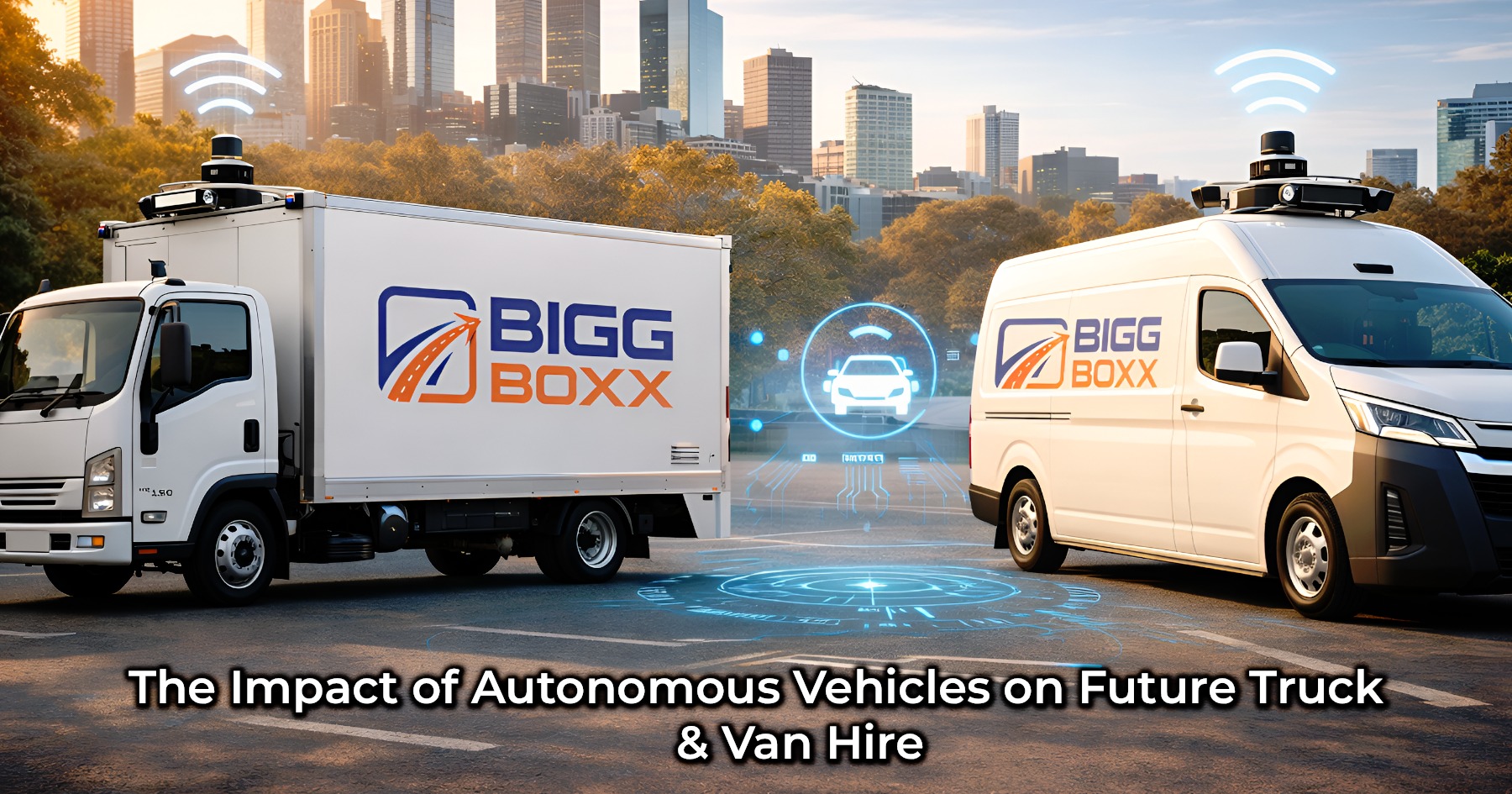
The transportation landscape is on the cusp of a revolutionary transformation as autonomous vehicle technology advances toward mainstream adoption. At Bigg Boxx Rentals, we’re closely monitoring these developments and preparing our fleet strategy to embrace the profound changes that self-driving technology will bring to the vehicle rental industry. Our AI big data fleet optimisation systems already provide glimpses of this future, where data-driven decision making enhances fleet efficiency and customer experience. Understanding the trajectory of autonomous vehicle adoption isn’t merely an academic exercise—it’s essential for businesses and consumers planning their transportation strategies over the next decade. The convergence of artificial intelligence, sensor technology, and regulatory frameworks will fundamentally reshape how Victorians access and utilize rental vehicles, creating both disruptive challenges and unprecedented opportunities across Melbourne’s transport ecosystem.
The Current State of Autonomous Vehicle Technology
Autonomous vehicle technology has evolved from science fiction to practical reality, with significant advancements in machine learning algorithms, sensor systems, and computing power driving this transformation. Today’s autonomous systems operate on a spectrum defined by the Society of Automotive Engineers (SAE), ranging from Level 0 (no automation) to Level 5 (full automation). Most commercial applications currently exist at Levels 2-3, featuring advanced driver assistance systems (ADAS) that handle specific driving tasks while still requiring human supervision. At Bigg Boxx Rentals, we’ve observed that Level 2 systems—such as adaptive cruise control, lane-keeping assistance, and automatic emergency braking—have already become standard features in our newer fleet vehicles, enhancing safety and reducing driver fatigue during long trips. These technologies represent the foundation upon which fully autonomous commercial vehicles will eventually build, with our technology enhanced rental experience program continuously integrating the latest safety features to benefit our customers.
Commercial Fleet Adoption Timelines and Projections
The adoption timeline for autonomous vehicles in commercial fleets follows a predictable pattern of incremental implementation rather than sudden disruption. Industry analysts project that Level 4 autonomous vehicles—capable of operating without human intervention in specific conditions—will become commercially viable for fleet operations between 2028 and 2032. These initial deployments will likely focus on controlled environments such as industrial parks, dedicated delivery corridors, and highway routes where operational parameters can be tightly managed. By 2035, we anticipate that 30-40% of commercial rental fleets across Victoria will feature significant autonomous capabilities, particularly in applications like last-mile delivery, inter-terminal transfers, and routine logistics operations. The future of electric truck rentals initiative at Bigg Boxx Rentals includes strategic partnerships with autonomous technology developers to ensure our fleet evolution aligns with these projected timelines. This measured approach to adoption recognizes that regulatory frameworks, infrastructure requirements, and customer acceptance will evolve gradually rather than through sudden industry transformation.
Transforming the Rental Customer Experience
Autonomous vehicle technology will fundamentally reimagine the customer experience of vehicle rental, shifting from transaction-focused interactions to seamless, personalized mobility solutions. Tomorrow’s rental process will likely begin with AI-powered recommendation systems that analyze historical usage patterns, trip purposes, and specific requirements to suggest optimal vehicle configurations before customers even visit our website. The booking process itself will become frictionless, with digital identity verification, automated insurance qualification, and dynamic pricing models that adjust in real-time based on demand and vehicle availability. Our online booking trends vehicle hire platform already incorporates elements of this future experience, with machine learning algorithms that personalize rental options based on customer preferences and historical behavior. Perhaps most significantly, autonomous vehicles will eliminate many of the pain points associated with traditional rental experiences—no more navigating unfamiliar vehicle controls, struggling with parking in tight spaces, or worrying about fatigue during long-distance trips. Instead, customers will transition from operators to passengers, free to focus on work, rest, or entertainment during their journeys while the vehicle handles navigation and safety responsibilities.
Safety Implications and Regulatory Evolution
Safety represents both the primary driver and greatest challenge of autonomous vehicle adoption in commercial fleets. Current statistics reveal that human error accounts for approximately 94% of all traffic accidents, suggesting that properly implemented autonomous systems could dramatically reduce collision rates and associated injuries. However, achieving this safety potential requires overcoming significant technological and regulatory hurdles. At Bigg Boxx Rentals, our construction equipment safety compliance standards inform our approach to autonomous vehicle safety, emphasizing redundant systems, comprehensive testing protocols, and transparent reporting mechanisms. The regulatory landscape will evolve alongside the technology, with Australian transport authorities developing new frameworks for vehicle certification, operational boundaries, and liability determination. Victoria’s regulatory approach will likely establish autonomous vehicle testing zones in controlled environments before permitting broader commercial deployment, with special attention to mixed-traffic scenarios where autonomous and human-driven vehicles share roadways. These regulatory developments will directly impact rental operations, requiring new insurance models, maintenance protocols, and staff training programs that address the unique characteristics of self-driving vehicles compared to conventional fleet assets.
Economic Impact on the Rental Industry Business Model
The economic implications of autonomous vehicle adoption will transform the fundamental business model of truck and van rental companies across Victoria. Traditional revenue streams based on time and distance metrics will give way to value-based pricing models that charge for outcomes rather than vehicle usage. For example, customers might pay for “delivery completed” or “cargo transported” rather than hourly or daily vehicle access. This shift will require rental companies to develop new expertise in outcome measurement, service level agreements, and integrated logistics solutions that extend beyond simple vehicle provision. Our rental as a service transport program already prototypes these emerging economic models, offering subscription-based mobility solutions that prioritize customer outcomes over equipment utilization metrics. The capital investment requirements will also transform dramatically—autonomous vehicles command premium pricing (often 2-3 times conventional vehicles), while maintenance costs shift from mechanical repairs to software updates, sensor calibration, and computing hardware replacement. Fleet turnover cycles will accelerate as technology evolves rapidly, requiring rental companies to develop sophisticated asset management strategies that maximize residual value while maintaining technological relevance. These economic shifts will create both opportunities for innovation and challenges for established business models, with companies that adapt quickly gaining significant competitive advantages in Victoria’s evolving mobility landscape.
Environmental Sustainability Through Autonomous Fleet Management
Environmental considerations will play a crucial role in autonomous vehicle adoption, with significant potential for reducing carbon emissions and resource consumption through optimized fleet operations. Autonomous systems can achieve 15-25% better fuel efficiency than human drivers through precise acceleration and braking patterns, optimal route selection, and reduced idling time. When combined with electric powertrains, these efficiency gains create compounding environmental benefits that align with Victoria’s net-zero emissions targets. At Bigg Boxx Rentals, our green logistics van truck hire program already demonstrates our commitment to environmental responsibility, and autonomous technology will amplify these sustainability initiatives through data-driven fleet optimization. Autonomous vehicles can coordinate with smart city infrastructure to minimize congestion, reduce unnecessary trips through predictive demand modeling, and optimize charging schedules to leverage renewable energy sources during off-peak hours. This environmental synergy extends beyond emissions reduction to include noise pollution mitigation in residential areas, reduced road wear through smoother driving patterns, and decreased land use requirements for parking infrastructure. These combined environmental benefits create both regulatory advantages and competitive differentiation opportunities for rental companies that embrace autonomous technology as part of their sustainability strategy.
New Business Models Enabled by Autonomous Technology
Autonomous vehicle technology will unlock entirely new business models that transform how rental companies serve customers and create value across Victoria’s economy. One of the most significant opportunities involves mobility-as-a-service (MaaS) platforms that integrate autonomous rental vehicles with public transportation, ride-sharing, and micro-mobility options into seamless end-to-end transportation solutions. These platforms will enable customers to plan, book, and pay for complete journeys across multiple transportation modes through a single interface, with autonomous vehicles handling specific segments based on efficiency and convenience metrics. Our van rentals for courier services Melbourne-wide program provides early insights into these integrated mobility models, with route optimization algorithms that already consider multiple transportation options for efficient delivery planning. Another emerging business model involves autonomous vehicle sharing networks that maximize fleet utilization through dynamic allocation based on real-time demand patterns. Unlike current car-sharing services that require human drivers, autonomous networks can reposition vehicles automatically during low-demand periods, ensuring optimal vehicle availability across geographic areas without driver constraints. This capability will transform how rental companies approach fleet sizing, with smaller total fleets achieving higher utilization rates through intelligent deployment strategies that match supply to demand in real-time. These new business models will require rental companies to develop expertise in platform development, data analytics, and ecosystem partnerships that extend beyond traditional vehicle management capabilities.
Workforce Transformation and New Skill Requirements
The transition to autonomous vehicle fleets will fundamentally transform workforce requirements across the rental industry, creating new roles while diminishing demand for traditional driving positions. At Bigg Boxx Rentals, we recognize that this workforce evolution requires proactive planning and skills development to ensure our team members can thrive in the autonomous era. New roles will emerge in areas such as autonomous fleet monitoring, where human operators oversee multiple vehicles simultaneously from remote operations centers, intervening only when systems encounter situations beyond their training parameters. Technical maintenance roles will shift from mechanical expertise to software diagnostics, sensor calibration, and computing system management, requiring technicians to develop new competencies in artificial intelligence and machine learning systems. Customer experience positions will evolve to focus on journey planning, exception handling, and value-added services rather than vehicle operation training. Our customer satisfaction commitment program already emphasizes these emerging skill requirements, with staff training programs that prepare our team for the autonomous future through partnerships with Victorian TAFE institutions and technology providers. This workforce transformation presents both challenges and opportunities—while some positions may become obsolete, new roles will emerge that offer higher compensation, better working conditions, and greater professional development potential. Companies that invest in workforce transition programs will gain significant advantages through employee loyalty, institutional knowledge retention, and competitive talent acquisition in an increasingly specialized job market.
Infrastructure Requirements and Urban Planning Implications
The successful implementation of autonomous vehicle fleets requires significant infrastructure investments and urban planning adaptations that will reshape Victoria’s transportation landscape. Existing road networks need modification to accommodate autonomous systems, including standardized lane markings, enhanced signage visibility, dedicated communication networks, and sensor-friendly road surfaces that minimize interference with vehicle perception systems. At Bigg Boxx Rentals, our urban mobility planning research has identified these infrastructure requirements as critical success factors for autonomous fleet deployment across Melbourne’s diverse neighborhoods. Charging infrastructure presents another significant challenge, particularly for electric autonomous vehicles that require high-power charging capabilities at strategic locations throughout Victoria. This infrastructure must integrate with smart grid systems to optimize energy usage during off-peak hours while providing sufficient capacity for high-utilization commercial fleets. Urban planning implications extend beyond physical infrastructure to include regulatory frameworks for curbside management, parking allocation, and traffic flow optimization that maximize the efficiency of mixed autonomous and human-driven traffic. These planning considerations will directly impact rental operations, with depot locations and fleet deployment strategies requiring adjustment to align with autonomous vehicle infrastructure development. Companies that engage proactively with urban planners and infrastructure developers will gain competitive advantages through strategic positioning and early access to autonomous-ready facilities that enhance service delivery capabilities.
Data Security and Privacy Considerations
The data-intensive nature of autonomous vehicle systems introduces significant security and privacy considerations that will shape rental industry practices and customer trust. Autonomous vehicles generate terabytes of data daily through their sensor arrays, including detailed mapping information, traffic patterns, passenger behaviors, and environmental conditions. This data represents both tremendous value for fleet optimization and significant vulnerability to cyber threats and privacy violations. At Bigg Boxx Rentals, our GPS telematics van truck hire system already incorporates robust data security protocols, but autonomous systems will require even more sophisticated protection mechanisms to prevent unauthorized access, data manipulation, or system compromise. Regulatory frameworks will evolve to address these concerns, with mandatory data protection standards, transparent data usage policies, and clear ownership rights for information generated during vehicle operation. Customers will demand granular control over their data, including options to opt out of certain data collection practices while still accessing core vehicle functionality. These privacy considerations will directly impact rental agreements, requiring new consent mechanisms, data retention policies, and transparent disclosure practices that build customer trust while enabling the data-driven benefits of autonomous systems. Companies that establish industry-leading data security and privacy practices will gain significant competitive advantages through enhanced customer trust and regulatory compliance leadership in Victoria’s increasingly data-conscious mobility ecosystem.
Regional Considerations: Urban vs. Rural Autonomous Deployment
The deployment of autonomous vehicle technology will follow different trajectories across Victoria’s diverse geographic landscapes, with urban and rural areas facing distinct implementation challenges and opportunities. Metropolitan areas like Melbourne will likely see faster adoption due to better infrastructure, higher population density, and stronger economic incentives for autonomous solutions. However, these urban deployments face significant complexity from mixed traffic environments, pedestrian interactions, and regulatory constraints that limit operational design domains. Regional and rural areas present different challenges and opportunities—while infrastructure limitations and lower population density create barriers to deployment, the simpler road environments, reduced traffic complexity, and clear operational boundaries make these areas ideal testing grounds for specific autonomous applications like agricultural transport, freight logistics, and essential service delivery. Our affordable truck hire in Ballarat Bigg Boxx deals program has revealed unique regional mobility needs that autonomous technology could address through specialized vehicle configurations and operational models tailored to rural requirements. This geographic diversity will require rental companies to develop flexible deployment strategies that match autonomous capabilities to regional needs rather than applying uniform solutions across Victoria’s varied transportation landscape. Companies that recognize and adapt to these regional differences will gain competitive advantages through market-specific solutions that address unique mobility challenges in both urban and rural communities.
Ethical Considerations and Public Acceptance Challenges
The transition to autonomous vehicle fleets raises complex ethical questions that will influence public acceptance and regulatory frameworks across Victoria. Algorithmic decision-making in critical situations—such as unavoidable collision scenarios—requires transparent ethical frameworks that prioritize human safety while acknowledging the limitations of machine intelligence. At Bigg Boxx Rentals, we recognize that public trust forms the foundation of successful autonomous deployment, requiring transparent communication about system capabilities, limitations, and decision-making processes. Our breakdown roadside assistance program already addresses trust-building through transparent response protocols, and this approach will extend to autonomous systems through clear communication about operational boundaries and fallback procedures. Liability determination represents another significant ethical challenge, with traditional fault assignment models requiring adaptation to address system failures, software updates, and maintenance responsibilities across multiple stakeholders. Public acceptance will evolve gradually through positive experiences with lower-level automation features before full autonomy becomes widely accepted. This acceptance curve will directly impact rental operations, with early adopters seeking autonomous features as premium differentiators while mainstream customers require proven safety records and intuitive interfaces before embracing self-driving capabilities. Companies that prioritize ethical development practices, transparent communication, and gradual capability introduction will build stronger public trust and smoother adoption pathways for autonomous rental vehicles across Victoria’s diverse communities.
Strategic Preparation: How Bigg Boxx Rentals Is Future-Proofing Our Fleet
At Bigg Boxx Rentals, we’re taking concrete steps to prepare our organization for the autonomous vehicle future while maintaining our commitment to exceptional service in the present. Our fleet investment strategy includes phased technology adoption, beginning with advanced driver assistance systems in current vehicles and progressing toward full autonomy as technology matures and regulatory frameworks permit. We’ve established dedicated innovation teams focused on autonomous technology evaluation, partnership development with leading technology providers, and staff training programs that prepare our workforce for emerging roles in fleet monitoring and management. Our mobile app vehicle tracking system provides the digital foundation for autonomous fleet management, with real-time monitoring capabilities that will extend to autonomous operations through enhanced sensor integration and predictive analytics. We’re also investing in data infrastructure that captures and analyzes vehicle performance metrics, customer usage patterns, and operational efficiencies to inform our autonomous deployment strategy. These investments reflect our “Move Big, Pay Small” philosophy—not as a short-term pricing tactic but as a long-term commitment to delivering maximum value through technological innovation and operational excellence. By preparing strategically today, we ensure that Bigg Boxx Rentals remains at the forefront of Victoria’s mobility evolution, delivering superior customer experiences while maintaining our competitive advantages in an increasingly automated transportation landscape.
Customer Benefits: What Autonomous Rentals Mean for Your Business
The transition to autonomous vehicle rentals will deliver significant benefits for Victorian businesses that adapt quickly to leverage these emerging capabilities. For small and medium enterprises, autonomous rentals will reduce the hidden costs associated with human drivers—including training expenses, insurance premiums, fatigue-related errors, and scheduling complexities. The affordable transport for SMEs program at Bigg Boxx Rentals already demonstrates our commitment to business customer value, and autonomous technology will amplify these benefits through predictable operational costs, enhanced reliability, and expanded service hours that operate 24/7 without human limitations. Logistics-intensive businesses will gain particular advantages through autonomous fleet coordination that optimizes delivery sequences, reduces empty miles, and maintains precise temperature control for sensitive cargo without human intervention. The data generated by autonomous systems will provide unprecedented operational insights, enabling businesses to identify inefficiencies, predict demand patterns, and optimize their entire supply chain based on real-time mobility data. These benefits extend beyond cost reduction to include strategic advantages like expanded service territories, enhanced customer experience through precise arrival timing, and competitive differentiation through sustainability metrics that demonstrate reduced carbon footprints. Companies that partner with forward-thinking rental providers like Bigg Boxx Rentals will gain early access to these autonomous capabilities, positioning themselves at the forefront of their industries while competitors struggle with traditional transportation limitations.
Strategic Recommendations: Preparing Your Business for Autonomous Mobility
Businesses seeking to maximize the benefits of autonomous vehicle rental technology should adopt a strategic approach that balances immediate opportunities with long-term transformation. The first step involves conducting a comprehensive mobility audit that identifies current transportation inefficiencies, cost structures, and pain points that autonomous solutions could address. This audit should include both direct costs (fuel, maintenance, insurance) and indirect costs (labor hours, downtime, missed opportunities) to establish a baseline for measuring autonomous technology benefits. Next, businesses should develop phased implementation roadmaps that begin with pilot programs testing autonomous features in controlled environments before scaling successful applications across operations. These pilots might focus on specific use cases like overnight deliveries, inter-facility transfers, or dedicated route logistics where autonomous limitations present minimal risk while delivering maximum value. Our how truck rentals can help small businesses grow framework provides guidance on these implementation strategies, emphasizing the importance of starting small while maintaining vision for comprehensive transformation. Partnerships will prove crucial in this transition, with businesses benefiting from collaborative relationships with rental providers, technology developers, and industry associations that share knowledge and resources across Victoria’s mobility ecosystem. Companies that approach autonomous mobility strategically—focusing on business outcomes rather than technology novelty—will gain significant competitive advantages through enhanced operational efficiency, improved customer experiences, and sustainable growth in an increasingly automated transportation landscape.
Case Study: Autonomous Delivery Network Implementation
When a major Melbourne e-commerce retailer sought to enhance their delivery capabilities while reducing operational costs, they partnered with Bigg Boxx Rentals to implement a phased autonomous delivery network across Victoria’s metropolitan area. The initial pilot focused on a controlled environment—a dedicated delivery corridor between their distribution center in Dandenong and high-density residential areas in Richmond—with Level 4 autonomous vans operating during off-peak hours when traffic complexity was minimized. The implementation followed a methodical approach: first deploying vehicles with safety drivers present to collect performance data and build regulatory trust, then gradually transitioning to fully autonomous operations during pre-approved time windows as system reliability was demonstrated. The results exceeded expectations, with the autonomous fleet achieving 99.3% on-time delivery rates compared to 92.7% for human-driven vehicles, while reducing fuel consumption by 23% through optimized driving patterns and route selection. Most significantly, the system generated comprehensive data on delivery patterns, traffic interactions, and customer preferences that informed broader business decisions beyond transportation efficiency. This data revealed previously unidentified demand clusters that led to strategic warehouse relocations, optimized inventory allocation based on predictive demand modeling, and enhanced customer experience through precise delivery window commitments. The success of this pilot has expanded to additional corridors across Melbourne, with plans for statewide implementation by 2030. This case study demonstrates how autonomous vehicle technology, when implemented strategically with experienced partners, can transform not just transportation operations but entire business models through data-driven decision making and operational excellence.
The Road Ahead: Balancing Innovation with Practical Reality
As Victoria’s transportation landscape evolves toward autonomous mobility, Bigg Boxx Rentals remains committed to balancing technological innovation with practical business realities. While we enthusiastically embrace the potential of autonomous vehicle technology, we recognize that the transition will occur gradually over the next decade rather than through sudden disruption. Our strategy focuses on implementing technologies that deliver immediate value while building foundations for future capabilities—starting with advanced driver assistance systems that enhance safety and efficiency today while developing the data infrastructure and operational expertise required for full autonomy tomorrow. This balanced approach acknowledges that human drivers will remain essential for complex urban navigation, customer service interactions, and emergency response situations even as autonomous capabilities expand. Our commitment to the “Move Big, Pay Small” philosophy extends beyond pricing to encompass this measured approach to innovation—delivering significant value through practical improvements while preparing for transformative change rather than chasing technological novelty. As Victoria’s business community navigates this transition, we pledge to serve as trusted advisors who prioritize customer outcomes over technological capabilities, ensuring that autonomous vehicle adoption enhances—rather than disrupts—the business operations and community connections that make Victoria such a dynamic place to live and work.
Connect With Bigg Boxx Rentals
📞 Phone: 03 8560 7038
📧 Email: bookings@biggboxx.com.au
📍 Address: 11 Jutland Way, Epping, VIC 3076
Facebook | Instagram | TikTok | Twitter
Preparing your business for the autonomous future? Explore our fleet or contact our innovation team today for strategic mobility solutions that evolve with your needs. Move Big, Pay Small – always.
