
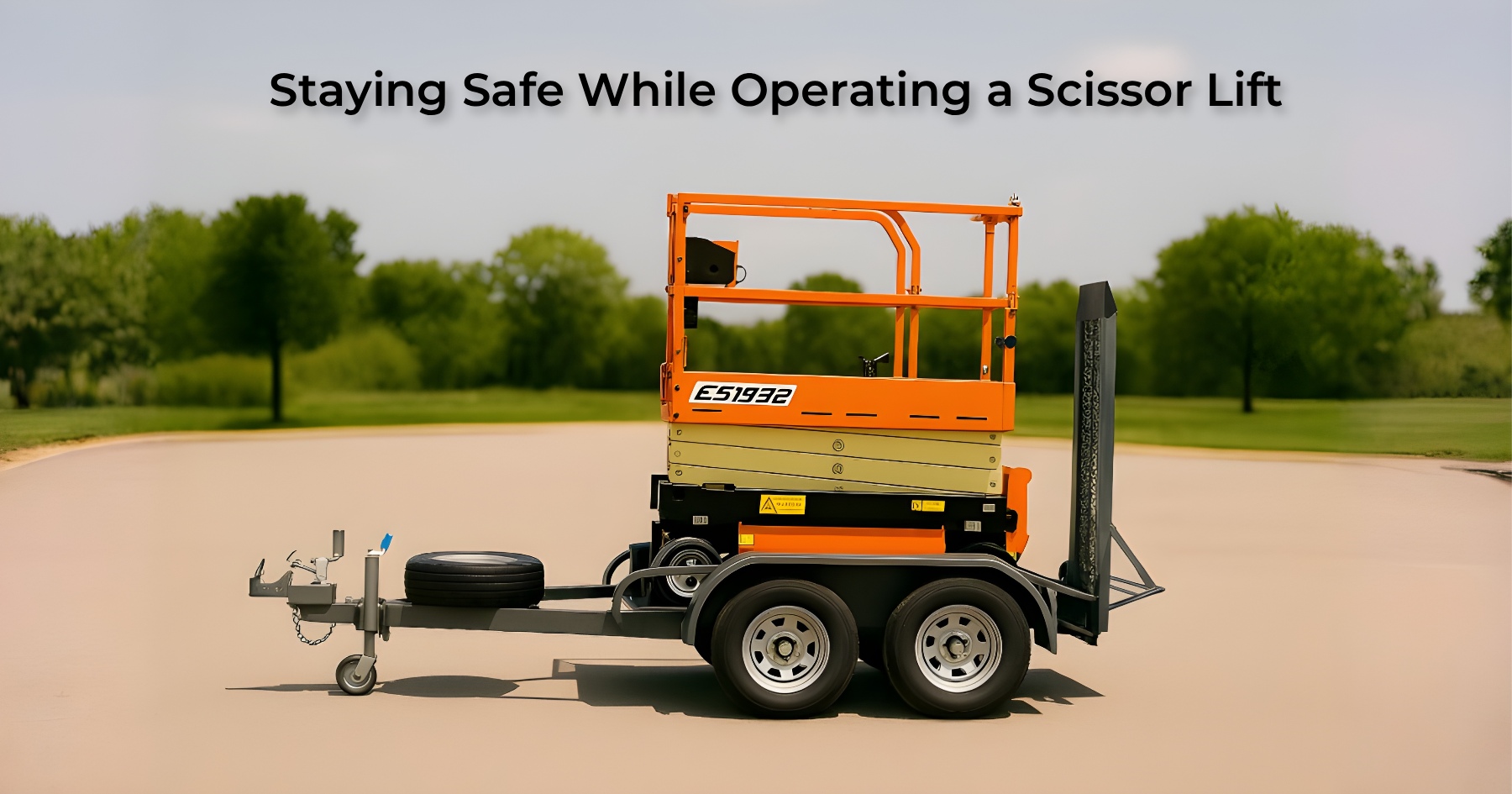
Introduction: The Critical Importance of Scissor Lift Safety
When you rent equipment from Bigg Boxx Rental , you’re trusting us to provide not just reliable machinery but also the knowledge to operate it safely. With our “Move Big, Pay Small” philosophy, safety is always our top priority—because no job is worth risking your well-being.
Scissor lifts are invaluable tools across numerous industries, from construction and retail to event management and facility maintenance. However, according to WorkSafe Victoria, scissor lift accidents account for nearly 15% of all elevated work platform incidents, with many resulting from improper operation, inadequate training, or failure to follow safety protocols.
In this comprehensive 3,600-word guide, you’ll learn:
- The critical safety considerations for scissor lift operation
- How to conduct thorough pre-operation inspections
- Proper setup and positioning techniques
- Safe operating procedures for various environments
- Emergency response protocols
- Special considerations for working with refrigerated van hire
- And how Bigg Boxx Rental supports your safety from pickup to project completion
Whether you’re using scissor lifts for retail store maintenance, construction projects, event setup, or in conjunction with refrigerated van hire for temperature-controlled logistics across Melbourne, Geelong, Ballarat, Dandenong, Epping, Shepparton, Melton, Bayswater, Cranbourne, Hoppers Crossing, and surrounding areas, these safety principles will help you complete your work efficiently and without incident.
Understanding Scissor Lift Types and Capabilities
Before operating any scissor lift, it’s essential to understand the specific type you’re using and its capabilities. Not all scissor lifts are created equal, and using the wrong equipment for your task can lead to dangerous situations.
1. Types of Scissor Lifts
Electric Scissor Lifts
- Best for: Indoor use, retail environments, noise-sensitive areas
- Working height: Typically 3-10 meters
- Power source: Battery-operated (zero emissions)
- Key advantage: Quiet operation, no fumes, ideal for indoor use
At Bigg Boxx Rental, our scissor lift hire in Shepparton – zero emissions service provides eco-friendly electric options perfect for indoor applications.
Rough-Terrain Scissor Lifts
- Best for: Outdoor construction, uneven surfaces, industrial sites
- Working height: Typically 6-15 meters
- Power source: Diesel or electric
- Key advantage: Enhanced stability on rough terrain, larger platform capacity
Compact Scissor Lifts
- Best for: Tight spaces, residential projects, retail store maintenance
- Working height: Typically 3-6 meters
- Power source: Electric
- Key advantage: Narrow design for confined spaces
For businesses in Hoppers Crossing and surrounding areas, our scissor lift hire in Hoppers Crossing service offers the perfect equipment for both indoor and outdoor applications.
2. Key Specifications to Understand
Before operating any scissor lift, familiarize yourself with these critical specifications:
- Maximum working height: The highest point the platform can reach
- Platform dimensions: Width and length of the work platform
- Weight capacity: Total load the platform can safely support
- Machine dimensions: Overall size when stowed and elevated
- Ground clearance: Important for navigating obstacles
Never exceed any of these specifications—doing so can compromise stability and lead to dangerous situations.
3. Special Considerations for Refrigerated Van Operations
When using scissor lifts in conjunction with refrigerated van hire, additional factors come into play:
- Added weight considerations: Refrigeration units add significant weight that affects overall load calculations
- Temperature impacts: Extreme temperatures can affect hydraulic performance
- Surface conditions: Refrigerated delivery areas may have specific surface requirements
- Time constraints: Loading/unloading refrigerated cargo often has time-sensitive requirements
For businesses requiring precise temperature control, our refrigerated van hire service includes safety guidance for integrated equipment operations.
Pre-Operation Safety Checklist
Before you even start the scissor lift, a thorough pre-operation inspection is essential for safe operation. This is especially important with rental equipment, as you may be the first person to notice potential issues.
1. Exterior Inspection
Walk completely around the equipment and check for:
- Tire condition: Look for proper inflation, adequate tread depth, and no cuts or bulges
- Structural integrity: Check for cracks, bends, or damage to the frame
- Hydraulic lines: Look for leaks or damage
- Guardrails: Ensure they’re properly secured and undamaged
- Stabilizers/outriggers: Verify they’re in good condition and function properly
At Bigg Boxx Rental, we perform thorough inspections on all equipment before rental, but it’s still crucial for you to verify the condition before operation.
2. Interior Safety Checks
Once in the control area, check:
- Control panel: Ensure all labels are visible and controls function properly
- Emergency stop button: Verify it’s accessible and functional
- Platform controls: Test all functions at low elevation
- Safety interlocks: Confirm they prevent operation when unsafe
- Warning devices: Test alarms and warning lights
For businesses in Epping and surrounding areas, our truck hire Epping – reliable and affordable service includes detailed safety briefings to ensure you’re prepared before operating any equipment.
3. Special Checks for Outdoor Operations
If operating in outdoor environments:
- Ground conditions: Check for stability, slope, and potential hazards
- Overhead obstructions: Verify clearance for full elevation
- Weather conditions: Assess wind, rain, or extreme temperatures
- Electrical hazards: Identify overhead power lines or other electrical risks
For construction businesses across Victoria, our van hire in Pakenham – budget-friendly options provides reliable transport solutions to complement your equipment needs.
4. Documentation Verification
Before operating, ensure you have:
- Valid operator certification: Required for most scissor lifts
- Rental agreement: Reviewed and understood
- Safety manual: Available for reference
- Emergency contact information: Bigg Boxx Rental’s number (0466140912)
- Inspection documentation: Proof of pre-use inspection
At Bigg Boxx Rental, we provide all necessary documentation clearly and answer any questions before you take possession of the equipment.
For more guidance on preparing for equipment rental, read our essential checklist before renting a truck or van .
Proper Setup and Positioning Techniques
How you set up and position your scissor lift significantly impacts operational safety. These techniques will help you establish a safe working environment.
1. Site Assessment
Before positioning the scissor lift:
- Identify overhead hazards: Power lines, building structures, tree branches
- Check ground conditions: Look for soft spots, slopes, or unstable surfaces
- Assess traffic patterns: Both vehicle and pedestrian traffic
- Verify weight-bearing capacity: Ensure the surface can support the equipment
For refrigerated van operations, pay special attention to:
- Loading dock conditions
- Refrigerated unit clearance requirements
- Temperature-controlled environment constraints
2. Positioning for Stability
When positioning the scissor lift:
- Set on level ground: Never operate on slopes exceeding manufacturer specifications
- Extend stabilizers properly: Follow manufacturer guidelines for deployment
- Maintain safe distance: Keep adequate clearance from edges and hazards
- Consider wind direction: Position to minimize wind impact when elevated
For businesses requiring elevation equipment alongside refrigerated transport, our refrigerated van hire service provides integrated safety planning.
3. Establishing a Safe Work Zone
Create a protected area around the scissor lift:
- Use barriers or cones: Mark a clear exclusion zone
- Post warning signs: Alert others to the elevated work area
- Assign a spotter: Have someone monitor the area below
- Communicate with team members: Establish clear communication protocols
For businesses in Dandenong and surrounding areas, our van rentals in Dandenong – fast and flexible service includes site assessment guidance for safe equipment positioning.
Safe Operation Techniques
Once properly positioned, following correct operation techniques is critical for maintaining safety throughout your work.
1. Proper Entry and Exit
Entering and exiting the platform safely:
- Always face the platform when entering or exiting
- Maintain three points of contact with the structure
- Never jump on or off the platform
- Ensure the lift is fully lowered before entering or exiting
For refrigerated van operations where time is critical, never compromise on safe entry and exit procedures.
2. Control Operation
When operating the controls:
- Use smooth, deliberate movements: Avoid jerky motions
- Move one control at a time: Don’t combine multiple movements
- Maintain awareness: Always know which control you’re operating
- Keep hands clear: Never place hands near moving parts
At Bigg Boxx Rental, we provide hands-on demonstrations of control operation with every rental to ensure you’re comfortable before use.
3. Working at Height
When elevated, follow these critical safety practices:
- Always maintain three points of contact with the platform
- Keep your center of gravity inside the platform
- Never climb on guardrails or use them as work surfaces
- Use proper fall protection when required by regulations
For businesses requiring precise temperature control during elevated work, these safety practices are essential for both worker safety and cargo integrity.
4. Load Management
When working with materials or tools:
- Never exceed platform weight limits
- Distribute weight evenly across the platform
- Secure loose items to prevent shifting
- Avoid carrying excessive loads that compromise stability
For businesses using scissor lifts with refrigerated van hire, proper load management is critical for both safety and temperature control.
For more information on safe loading techniques, read our guide on how to safely load a truck for long-distance moves .
Weather and Environmental Considerations
Weather and environmental conditions significantly impact scissor lift safety. Understanding how to adjust your operation for different conditions is critical.
1. Wind Conditions
High winds affect scissor lift stability significantly:
- Check wind speed before and during operation
- Reduce working height in high winds
- Be extra cautious when extending or retracting the lift
- Monitor for sudden gusts that can push your equipment
Most manufacturers specify maximum wind speeds for operation (typically 28-45 km/h). Never exceed these limits.
2. Rain and Wet Conditions
When operating in wet conditions:
- Increase setup time to verify ground stability
- Reduce speed of all movements
- Be cautious of slippery surfaces on the platform
- Verify electrical safety for electric models
For refrigerated van operations in wet conditions, be aware that moisture can affect temperature control systems.
3. Extreme Temperatures
Both hot and cold temperatures affect scissor lift operation:
- Hot weather: Increases hydraulic fluid expansion and risk of overheating
- Cold weather: Affects hydraulic fluid viscosity and battery performance
- Temperature extremes: Can affect material strength and operator comfort
For businesses requiring temperature-controlled transport, extreme weather conditions require special attention to both equipment operation and cargo integrity.
4. Indoor vs. Outdoor Operation
Different environments require different safety approaches:
- Indoor operation: Focus on overhead clearance and confined space navigation
- Outdoor operation: Focus on ground conditions and weather impacts
- Transition areas: Be extra cautious when moving between environments
For businesses requiring elevation equipment in temperature-controlled environments, these environmental considerations are critical for both safety and operational efficiency.
Common Hazards and How to Avoid Them
Understanding the most common scissor lift hazards allows you to anticipate and prevent accidents before they occur.
1. Overhead Electrical Hazards
Electrocution is a leading cause of scissor lift fatalities:
- Maintain minimum clearance: 3 meters from overhead power lines
- Assume all lines are live: Never assume power lines are insulated
- Use non-conductive tools: When working near electrical sources
- Establish exclusion zones: Around all electrical hazards
For refrigerated van operations near electrical infrastructure, these precautions are essential for preventing catastrophic incidents.
2. Tip-Over Risks
Scissor lifts can tip over due to:
- Operating on slopes beyond manufacturer specifications
- Exceeding weight limits
- Sudden movements at height
- Unstable ground conditions
Prevention strategies:
- Always check ground conditions before operation
- Never override safety interlocks
- Follow weight limits strictly
- Move slowly when elevated
3. Falling Objects
Objects falling from the platform can injure workers below:
- Use tool lanyards for all equipment
- Install toe boards on the platform
- Establish exclusion zones below the work area
- Communicate clearly with ground personnel
For businesses requiring refrigerated van operations at height, preventing falling objects is critical for both safety and cargo integrity.
4. Pinch Points and Crush Hazards
Scissor mechanisms create dangerous pinch points:
- Keep hands and clothing clear of moving parts
- Never place body parts between scissor mechanisms
- Watch for unexpected movements during operation
- Ensure all guards are properly in place
At Bigg Boxx Rental, we emphasize pinch point awareness in all our safety briefings.
Emergency Procedures
Despite your best efforts, emergencies can occur. Knowing how to respond can make the difference between a minor incident and a major accident.
1. Power Failure Procedures
If your scissor lift loses power while elevated:
- Remain calm and stay in the platform
- Use emergency lowering procedures (varies by model)
- Contact Bigg Boxx Rental immediately (0466140912)
- Wait for qualified assistance if you cannot lower safely
Most scissor lifts have manual lowering mechanisms—know how to use them before you elevate.
2. Emergency Descent Techniques
In case of equipment failure:
- Follow manufacturer’s emergency descent procedures
- Use controlled, slow movements
- Have a spotter guide you if possible
- Never jump from the platform
At Bigg Boxx Rental, we provide specific emergency procedure guidance for each equipment type we rent.
3. Rescue Procedures
If someone becomes stranded:
- Call for professional assistance immediately
- Keep the person calm and informed
- Never attempt an untrained rescue
- Follow emergency service instructions
For businesses requiring refrigerated van operations, emergency procedures must also consider temperature-sensitive cargo.
4. First Aid and Emergency Response
For injuries related to scissor lift operation:
- Call emergency services immediately
- Provide first aid if trained and safe to do so
- Preserve the scene for investigation
- Report the incident to Bigg Boxx Rental and relevant authorities
At Bigg Boxx Rental, we provide emergency contact information with every rental to ensure quick response if needed.
Special Considerations for Different Work Environments
The specific safety requirements for scissor lift operation vary based on your work environment. Let’s examine the key considerations for different settings.
1. Retail and Commercial Interiors
For indoor environments like stores and offices:
- Focus on floor protection: Use mats to prevent damage
- Be aware of overhead obstacles: Lighting, sprinklers, signage
- Minimize disruption: Work during off-hours when possible
- Maintain customer safety: Establish clear barriers
For businesses requiring refrigerated van delivery to retail locations, these indoor operation techniques ensure both safety and business continuity.
2. Construction Sites
For construction environments:
- Focus on ground stability: Watch for soft spots and excavations
- Be aware of other equipment: Coordinate with crane and vehicle operations
- Watch for changing conditions: Weather, site layout changes
- Maintain communication: With other site personnel
For construction businesses across Victoria, our van rentals in Dandenong – fast and flexible service supports comprehensive site operations.
3. Event and Exhibition Settings
For event environments:
- Focus on crowd management: Keep spectators clear of work areas
- Be aware of time constraints: Work efficiently but safely
- Coordinate with event staff: For seamless operations
- Consider noise restrictions: Especially for electric models
For event professionals, our guide on how to plan a stress-free house move offers valuable insights that apply to event logistics planning.
4. Refrigerated Transport Environments
When operating scissor lifts in conjunction with refrigerated van hire:
- Temperature considerations: Cold environments affect equipment performance
- Time constraints: Loading/unloading must be completed quickly
- Specialized procedures: For handling temperature-sensitive cargo
- Integrated safety planning: For both equipment and cargo protection
For medical or food businesses requiring precise temperature control, these specialized procedures are essential for regulatory compliance and business continuity.
For businesses in Shepparton and surrounding areas, our scissor lift hire in Shepparton – zero emissions service complements our refrigerated transport options for comprehensive logistics solutions.
Training and Certification Requirements
Proper training is not just recommended—it’s often legally required for scissor lift operation.
1. Required Certifications
In Victoria, scissor lift operation typically requires:
- High-Risk Work License (HRWL): For lifts over 11 meters working height
- Manufacturer-specific training: For the specific model you’re operating
- Site-specific training: For unique site conditions or requirements
At Bigg Boxx Rental, we verify operator qualifications before releasing equipment.
2. Essential Training Components
Comprehensive scissor lift training should include:
- Equipment familiarization: Controls, features, limitations
- Pre-operation inspection: How to identify potential issues
- Safe operation techniques: For various conditions
- Emergency procedures: For equipment failure or accidents
For businesses requiring refrigerated van operations, integrated training that covers both equipment types is essential.
3. Ongoing Competency Assessment
Safety doesn’t end with initial training:
- Regular refresher training: At least annually
- Performance evaluations: By supervisors or safety officers
- Documentation of training: For regulatory compliance
- Addressing skill gaps: Through targeted training
At Bigg Boxx Rental, we provide resources to help you maintain ongoing competency with our equipment.
4. When to Seek Additional Training
Consider additional training when:
- Operating new equipment types
- Working in unfamiliar environments
- After any near-miss or incident
- When regulations change
For businesses in Ballarat and surrounding areas, our affordable truck hire in Ballarat service includes training resources to ensure safe equipment operation.
How Bigg Boxx Rental Supports Your Safety
At Bigg Boxx Rental, safety isn’t just a priority—it’s a core value. We’ve built our business on honesty, reliability, and transparency to ensure your safety from pickup to project completion.
1. Comprehensive Safety Briefings
Before you operate any equipment, we provide:
- Personalized equipment orientation
- Critical safety information specific to your equipment
- Demonstration of key features and controls
- Answering all your safety questions
Unlike competitors who rush through the rental process, we take the time to ensure you’re prepared for safe operation.
2. Well-Maintained Fleet
Our equipment is regularly serviced and inspected to ensure safety and performance. We offer:
Each unit is clean, reliable, and ready to go—no worn-out equipment or unexpected breakdowns.
3. Transparent, All-Inclusive Pricing
Our quotes always include:
- Equipment rental
- Free doorstep delivery and pickup across Victoria
- Safety documentation
- Basic insurance coverage
- No hidden surcharges
What you see is what you pay—no surprises at checkout.
4. Unmatched Convenience
Our free doorstep delivery service covers:
- Melbourne CBD and suburbs
- Geelong and regional Victoria
- Ballarat, Dandenong, Epping
- Shepparton, Melton, Bayswater
- Cranbourne, Hoppers Crossing, and surrounding areas
This service saves you time and effort, allowing you to focus on your project—not on equipment logistics.
For businesses in Cranbourne, our truck rentals in Cranbourne – doorstep delivery service exemplifies this commitment to convenience.
5. Expert Support and Customer Service
Our customer service team sets the standard for the industry:
- Real people, not bots – Speak with a knowledgeable team member every time
- Extended hours – Support available from 6am to 10pm, 7 days a week
- Proactive communication – We reach out before issues become problems
- Empowered staff – Our team can make decisions to resolve issues immediately
- Follow-up process – We check in after your rental to ensure satisfaction
For businesses in Epping and surrounding areas, our truck hire Epping – reliable and affordable service exemplifies this commitment to safety and service.
Frequently Asked Questions About Scissor Lift Safety
Q: Do I need special certification to operate a scissor lift?
A: In Victoria, you need a High-Risk Work License (HRWL) for scissor lifts with a working height over 11 meters. For lower lifts, manufacturer-specific training is required. At Bigg Boxx Rental, we verify operator qualifications before releasing equipment and provide necessary training resources.
Q: How often should scissor lifts be inspected?
A: Scissor lifts should undergo:
- Pre-use inspection: Before each operation
- Frequent inspection: Every 30 days of operation
- Annual inspection: Comprehensive safety check by qualified technician
At Bigg Boxx Rental, we perform all required inspections on our equipment before rental.
Q: Can I operate a scissor lift on uneven ground?
A: Most scissor lifts have specific slope limitations (typically 1-2 degrees). Operating beyond these limits significantly increases tip-over risk. Always check manufacturer specifications and never override safety interlocks designed to prevent operation on unsafe slopes.
Q: What should I do if my scissor lift gets stuck at height?
A:
- Remain calm and stay in the platform
- Use emergency lowering procedures if trained and safe to do so
- Contact Bigg Boxx Rental immediately (0466140912)
- Wait for qualified assistance if you cannot lower safely
Never attempt to climb down from an elevated scissor lift.
Q: Are there special considerations for using scissor lifts with refrigerated vans?
A: Yes, when using scissor lifts with refrigerated van hire:
- Temperature considerations: Cold environments affect equipment performance
- Time constraints: Loading/unloading must be completed quickly
- Specialized procedures: For handling temperature-sensitive cargo
- Integrated safety planning: For both equipment and cargo protection
For businesses requiring precise temperature control, these considerations are critical for both safety and regulatory compliance.
Real-World Examples: Safety Success Stories
Let’s examine real scenarios where proper safety practices prevented significant problems.
Case Study 1: Retail Storefitting Company
Business: National retail chain storefitting contractor
Challenge: Needed equipment for installing fixtures in shopping centers
Safety Practice Implemented: Comprehensive pre-operation inspection
Results:
- Identified hydraulic leak before operation
- Prevented potential platform collapse at height
- Avoided potential injury to workers and customers
- Completed project safely with replacement equipment
- Total Value: Prevented potential $50,000+ in damages and injuries
This business previously operated equipment without thorough inspections and faced near-misses that could have resulted in serious incidents.
Case Study 2: Commercial Facility Maintenance
Business: Facility maintenance provider for office buildings
Challenge: Needed equipment for ceiling and lighting maintenance
Safety Practice Implemented: Proper site assessment and work zone setup
Results:
- Identified overhead electrical hazard before elevation
- Established proper exclusion zone and communication protocols
- Completed work safely with no incidents
- Received positive feedback from building management
- Total Value: Prevented potential electrocution incident and liability
The proper work zone setup protected both workers and building occupants during the maintenance operation.
Case Study 3: Event Production Company
Business: Event production company specializing in concerts and exhibitions
Challenge: Needed equipment for rigging and lighting setup
Safety Practice Implemented: Weather monitoring and wind assessment
Results:
- Monitored weather conditions throughout the event setup
- Reduced working height during high wind periods
- Completed setup safely despite challenging conditions
- Avoided potential equipment damage and schedule delays
- Total Value: Prevented potential $25,000 in equipment damage and event cancellation
This business previously continued operations in high winds, resulting in equipment damage and near-misses.
For businesses requiring temperature-controlled transport alongside elevation equipment, our refrigerated van hire service provides essential safety integration.
Best Practices for Supervisors and Safety Officers
If you’re responsible for scissor lift operations at your worksite, these best practices will help you maintain a safe working environment.
1. Pre-Operation Verification
Before any scissor lift operation:
- Verify operator qualifications and certifications
- Confirm equipment inspection has been completed
- Review site conditions and potential hazards
- Ensure proper planning for the specific task
At Bigg Boxx Rental, we provide documentation to support your verification process.
2. Ongoing Monitoring
During scissor lift operations:
- Conduct regular safety checks throughout the work period
- Monitor changing conditions (weather, site layout)
- Verify adherence to safety protocols
- Address unsafe practices immediately
For businesses requiring refrigerated van operations, ongoing monitoring must include both equipment safety and cargo integrity.
3. Incident Reporting and Investigation
When near-misses or incidents occur:
- Document the incident thoroughly with photos and witness statements
- Conduct a root cause analysis to identify underlying issues
- Implement corrective actions to prevent recurrence
- Share lessons learned with all relevant personnel
At Bigg Boxx Rental, we work with customers to investigate any incidents involving our equipment to improve overall safety.
4. Safety Culture Development
To create a lasting safety culture:
- Recognize and reward safe behaviors
- Provide regular safety training and refreshers
- Encourage open communication about safety concerns
- Lead by example in following all safety protocols
For businesses in Bayswater and surrounding areas, our cheap truck hire in Bayswater service includes safety culture resources to support your workplace safety initiatives.
Special Tips for First-Time Scissor Lift Operators
If this is your first time operating a scissor lift, the process can be overwhelming. Here are some tips to make it easier.
1. Allow Ample Time
- Schedule your operation with extra time for setup and inspection
- Don’t rush the process—even if you’re on a tight schedule
- Ask questions if anything is unclear
At Bigg Boxx Rental, we never pressure customers to skip safety procedures—we know they’re too important.
2. Start Low and Slow
- Begin with low elevation to get comfortable with controls
- Practice movements at low height before elevating
- Gradually increase height as you gain confidence
- Stop and reassess if anything feels unsafe
For refrigerated van operations where time is critical, never compromise on this gradual approach.
3. Use a Spotter
- Have someone assist with your first few operations
- Use their perspective to identify potential issues
- Establish clear communication protocols
- Ask for feedback on your operation technique
At Bigg Boxx Rental, our staff can serve as spotters during your initial operation if needed.
4. Trust Your Instincts
- If something feels wrong, investigate further
- Don’t accept “it’s always been like that” as an explanation
- Request assistance if you’re not confident
- Walk away if necessary—your safety is paramount
For first-time operators, our guide on how to choose the right truck size for your move provides valuable preparation tips that apply to equipment operation.
How to Verify Equipment Maintenance Records
While rental companies should maintain equipment properly, it’s wise to verify maintenance history, especially for longer rentals.
1. Service Documentation
Check for:
- Recent service stickers or documentation
- Maintenance schedule compliance
- Repair records for any previous issues
- Safety inspection certificates
At Bigg Boxx Rental, we maintain detailed service records for every piece of equipment and are happy to share them with our customers.
2. Signs of Proper Maintenance
Look for:
- Clean equipment (not necessarily spotless, but free of excessive grime)
- Well-maintained hydraulic lines
- No warning lights during startup
- Smooth operation of all systems
For refrigerated van operations, proper equipment maintenance is critical for both safety and cargo integrity.
3. Warning Signs of Poor Maintenance
Be alert for:
- Excessive fluid leaks
- Unusual noises during operation
- Rust or corrosion on critical components
- Worn or damaged safety features
If you notice these signs, request different equipment or reconsider the rental.
At Bigg Boxx Rental, we maintain our equipment to the highest standards and encourage customers to verify maintenance before operation.
Final Thoughts: Safety First, Always
Operating a scissor lift safely requires knowledge, awareness, and practice. By understanding the unique characteristics of this equipment and applying the techniques outlined in this guide, you can significantly reduce your risk of accidents and ensure your project is completed successfully.
At Bigg Boxx Rental, we’re committed to helping you move big, pay small—with no hidden fees, no surprises, and no stress. Our transparent safety practices ensure you know exactly what to expect, so you can focus on what really matters: completing your project safely and efficiently.
Remember that safe operation isn’t just about following rules—it’s about developing awareness, anticipating hazards, and making smart decisions. Whether you’re installing retail fixtures, performing facility maintenance, or working in conjunction with refrigerated van hire, these safety principles will serve you well.
So why wait? Start exploring how our equipment rental services can work for you today. Visit our website to browse our fleet, request a quote, or contact us directly for assistance.
Explore More About Bigg Boxx Rental
Want to learn more about our services, mission, and values? Visit our pages:
We’re constantly updating our content to provide helpful, informative guides to assist our valued customers.
Related Blog Posts
To help you make informed decisions about your next rental, check out these related articles:
- Affordable Truck Hire in Ballarat
- Cheap Truck Hire in Bayswater
- Why Renting a Truck Is the Smart Choice
- Understanding Truck Hire Costs in Melbourne
- Best Time of Year to Rent Equipment
- Scissor Lift Hire in Hoppers Crossing
- Van Rentals in Dandenong – Fast and Flexible
- Packing Fragile Items – Expert Tips for a Safe Move
These blogs cover essential topics ranging from moving mistakes to avoid, truck vs van comparisons, and seasonal rental advice—all designed to help you make smart equipment decisions.
Follow Us on Social Media
Stay connected with us and stay updated on the latest offers, tips, and news!
- TikTok
- WhatsApp: 📲 Chat with us on WhatsApp
Thank you for considering Bigg Boxx Rental for your equipment rental needs. We look forward to helping you Move Big, Pay Small! 🏗️⚙️
